
Reading list · 8 books, ranked
The Best Books About Applied Behavior Analysis
Applied behavior analysis works, and understanding why matters whether you're an RBT, therapist, or BCBA student. This list takes you from foundational theory to ethical practice, grounded in texts that practitioners actually recommend. You'll find Skinner worth reading, autism practice guides that work, and honest conversations about where ABA ethics get complicated.
Updated 2026-07-13
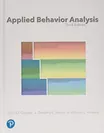
Applied Behavior Analysis
John O. Cooper, Timothy E. Heron, William L. Heward · 1987
This doorstop reference covers the foundations of behavior analysis, measurement techniques, experimental design, and the full range of behavior change procedures used by practitioners. It remains the standard textbook for graduate-level study and provides the theoretical framework underlying all ABA practice.
Every serious practitioner needs this book. It's not a quick read, but it's the definitive source when you need to understand why a procedure works or how to design an intervention. BCBA exam preparation depends heavily on this text.
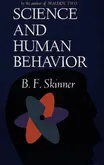
Science and Human Behavior
B. F. Skinner · 1953
Skinner wrote this in 1953 to explain behavioral principles in clear, accessible language. He covers how environment shapes behavior across settings from family to government, demonstrating that behavior analysis applies everywhere. The book reads more like a thoughtful essay than a technical manual.
This is the book that shows why behavior analysis matters beyond the clinic. It's Skinner worth actually reading: engaging, sometimes controversial, always thought-provoking. Understanding his argument about human nature will deepen your practice.
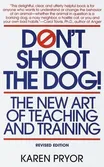
Don't Shoot the Dog!: The New Art of Teaching and Training
Karen Pryor · 1984
Pryor demonstrates the power and practical beauty of positive reinforcement through stories from animal training, parenting, and daily life. She shows how the principles work in messy, real-world situations and why punishment fails where reinforcement succeeds. The book is witty and hard to put down.
This book changed how thousands of people think about behavior change. It proves the principles work and makes them viscerally clear. If you ever struggle to explain ABA to someone skeptical, this book does it better than you can. Every practitioner should know this material cold.
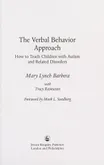
The Verbal Behavior Approach: How to Teach Children With Autism and Related Disorders
Mary Lynch Barbera · 2007
Barbera brings Skinner's analysis of verbal behavior into practical autism therapy. She walks through how to teach communication skills by targeting different functions of behavior (manding, tacting, intraverbals). Real examples show how to set up the environment and use everyday moments for teaching.
If you work with nonspeaking or minimally speaking clients with autism, this approach often proves more effective than traditional discrete trial teaching. Barbera writes from both professional and parental experience, and the methods are immediately actionable.
Behavioral Intervention for Young Children with Autism: A Manual for Parents and Professionals
Catherine Maurice · 1996
Maurice provides a detailed manual for designing and delivering intensive early intervention using ABA. She covers how to structure a teaching environment, design programs for specific skills, address behavior problems, and work with families. The book includes both theory and logistical detail.
This was the first major book showing autism-specific ABA at scale and helped establish many current practices. It's particularly valuable if you're designing programs or training others. Maurice's honesty about what works and what doesn't makes it more credible than promotional materials.
Ethics for Behavior Analysts
Jon S. Bailey, Mary R. Burch · 2005
Bailey and Burch provide the practical framework for the Behavior Analyst Certification Board ethics code. They explain each standard, offer case studies from real ethical dilemmas, and discuss how to navigate difficult situations. The book covers consent, competence, confidentiality, and duties to clients and employers.
BCBAs must know this material. But beyond certification requirements, you'll face genuine ethical conflicts in practice. This book prepares you to think them through clearly rather than react. Understanding ethics also helps you advocate for your clients effectively.
Verbal Behavior
B. F. Skinner · 1957
Skinner's 1957 analysis of language as learned behavior remains dense and challenging, but it's the foundation for understanding how people acquire language skills, humor, metaphor, and social behavior. The book requires patience but rewards close reading with deep insight into communication.
Many practitioners cite Verbal Behavior without having read it. If you work with communication or verbal repertoires, reading this book marks the difference between following procedures and truly understanding what you're trying to build. It's not easy, but it's worth the effort.
Unmasking Autism: Discovering the New Faces of Neurodiversity
Devon Price · 2022
Price, who is autistic and a social psychologist, explores how autistic people mask their traits to fit social expectations and the mental health toll this takes. She critiques approaches that prioritize normalcy over self-acceptance and offers exercises for recognizing and celebrating autistic ways of being.
This book directly addresses the ethical critique of ABA: that it can push clients toward harmful masking rather than skill-building. Whether you agree with all her conclusions or not, understanding her argument is essential. It challenges practitioners to consider what we're actually trying to change and why.
From the shelf to the field
The credential behind the practice
ABA is unusual among psychology fields: the reading and the license line up almost one to one. The concepts Pryor and Skinner introduce are the same ones the BCBA exam tests and the same ones you will use in session, which makes the certification path unusually legible.
Here is how to become a BCBA: the coursework, the supervised fieldwork hours, and what board-certified analysts earn.
Where to go next
- start as an RBT · the entry credential, weeks not years
- ABA master's programs · the degree the BCBA requires
- ABA salaries by role · RBT through BCBA-D