
Reading list · 9 books, ranked
The Best Books for Medical Coding and Billing Students
Medical coding and billing means learning to translate patient encounters into a language that powers healthcare finance. These books teach both the mechanics (why ICD-10 codes exist, how CPT describes what a provider did, where HCPCS fits in) and the business reality (insurance workflows, payment cycles, the classification oddities that surprise newcomers). Whether you are studying for a certification exam, stepping into your first coding role, or considering opening your own practice, this list covers the foundations, career paths, and the specific weirdness of how US healthcare actually reimburses.
Updated 2026-07-13

Understanding Health Insurance: A Guide to Billing and Reimbursement
Michelle A. Green · 2006
This textbook walks through how insurance plans actually work, from patient registration through final reimbursement. It covers managed care, legal compliance, the three main coding systems (ICD-10, CPT, HCPCS), and how medical necessity claims get built and reviewed. The book treats revenue cycle management as a process, not isolated coding tasks.
If you read only one book about how the system functions, this is it. Green explains why healthcare billing operates the way it does, making every detail of codes and claims feel connected to a larger purpose.
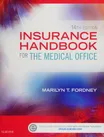
Insurance Handbook for the Medical Office
Marilyn T. Fordney · 2013
A market-standard reference that has guided medical professionals for over three decades. Fordney covers diagnostic and procedural coding, Medicare specifics, HIPAA rules, electronic claims, and collection strategies. The handbook balances theory with practical tools like claim form templates and coding scenarios.
This book earns its 30-year reputation by staying focused on what you actually need in a medical office. It reads like advice from someone who has run the billing department, not a textbook author.
Medical Coding: What It Is and How It Works
Patricia Aalseth · 2008
Aalseth traces how medical coding systems evolved and why they took their current shape. She explains the reasoning behind ICD-10 (why diagnosis codes are nested the way they are) and how the shift from ICD-9 happened. The book treats coding as a logical system rather than a memorization exercise.
Understanding the history and structure of coding systems is what separates coders who memorize from those who actually code well. This book builds your intuition for how to approach a strange code.
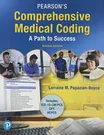
Pearson's Comprehensive Medical Coding: A Path to Success
Lorraine M. Papazian-Boyce · 2015
A complete technical textbook covering ICD-10-CM, ICD-10-PCS (inpatient procedures), CPT, and HCPCS Level II codes. Papazian-Boyce organizes the systems logically, includes practice exercises, and connects coding to real clinical scenarios. The book works as both a course text and a reference.
When you need to know all three coding systems at depth, this book is the thorough resource. It is especially valuable if you might work in both inpatient and outpatient settings.
Medical Coding Decoded: A Simple Guide to Understanding and Applying Medical Codes in Your Practice
Charlotte Akor · 2019
Akor addresses the practical oddities that trip up new coders. She covers documentation quirks, how electronic medical records affect coding, modifiers, the difference between how diagnoses are coded for billing versus clinical use, and co-pays versus deductibles. The book is written by a board-certified physician and audit expert.
This is the book that explains why a code looks wrong but is actually right. Akor covers the real-world decisions coders make every day that textbooks often skip.
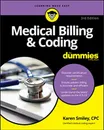
Medical Billing & Coding For Dummies
Karen Smiley · 2012
Smiley provides an accessible entry point covering career paths in medical billing and coding, certification options, coding practices for modern settings like telehealth, and differences between coding systems. The book balances breadth with readability and includes updates on emerging issues in the field.
If you are new to healthcare and intimidated by dense textbooks, start here. Smiley also covers career planning, which is rare in technical coding books.
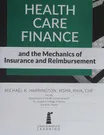
Health Care Finance and the Mechanics of Insurance and Reimbursement
Michael K. Harrington · 2015
Harrington examines healthcare finance from the ground up, explaining how reimbursement actually works and why payers deny claims. The book covers insurance mechanics, how fees are set, the impact of modifiers on payment, and financial workflows in different settings.
To understand why a code matters, you need to see the money flow. Harrington connects coding decisions to revenue, which gives context most coding books miss.
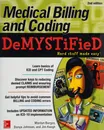
Medical Billing and Coding Demystified
Marilyn Burgos · 2016
This book takes a step-by-step approach to the entire billing pipeline, starting with patient registration and ending with reimbursement. Burgos includes foundational information on coding, claims submission, and how medical facilities choose codes to receive accurate payment.
If you learn better by following a process from start to finish, this is the book for you. It is especially useful if you are new to healthcare and need context for how all the pieces fit.
How to Open and Operate a Financially Successful Medical Billing Service
Laura Gater · 2010
Gater writes for people considering starting their own billing practice. The book outlines the business landscape for medical billing services, details what it takes to operate profitably, and explains how the industry is changing. It combines strategy with practical operations.
If you are interested in entrepreneurship, this book maps the path from employee to business owner in medical billing. It is one of the few books that addresses the business side beyond coding itself.
From the shelf to the field
From understanding the system to getting paid by it
The classification systems these books explain are the entire substance of the coding profession: ICD-10, CPT, and the certification exams that test them. It is one of the few healthcare careers you can enter in under a year, working from home in many roles.
Here is what medical coders earn and which certification to get first, including the CCA-versus-CPC decision most beginners get wrong.
Where to go next
- the CCA certification · the standard entry credential
- the CCS certification · the hospital-coding upgrade
- medical records specialist careers · the adjacent role with the same training