
Reading list · 8 books, ranked
The Best Books for School Psychologists
School psychology grad students and practitioners need grounding in child development, assessment methods, and trauma-informed practice. These eight books form a practical foundation for understanding how children learn and behave, what goes wrong, and how to fix it at the systems level. They cover the core domains school psychologists work in: individual assessment, classroom consultation, behavioral intervention, and trauma recovery.
Updated 2026-07-13
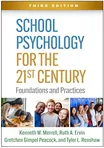
School Psychology for the 21st Century, Third Edition
Kenneth W. Merrell, Ruth A. Ervin, Gretchen Gimpel Peacock, Tyler L. Renshaw · 2022
This textbook maps the full scope of school psychology practice through a problem-solving and data-driven lens. It walks through assessment, multi-tiered intervention systems, consultation, and systems-level change in diverse schools. Each chapter grounds concepts in real classroom scenarios and connects theory to what practitioners actually do.
This is the standard professional text in graduate programs. It's organized around what school psychologists do daily and reflects current NASP standards, making it indispensable for anyone entering the field.
Oxford Handbook of Child Psychological Assessment
Donald H. Saklofske, Cecil R. Reynolds, Vicki L. Schwean · 2013
This reference synthesizes assessment methods across cognitive, behavioral, emotional, and adaptive domains. It covers intelligence testing, neuropsychological screening, personality assessment, and functional behavioral analysis. Each chapter reviews the science behind assessment approaches and shows how to choose the right tools for specific referral questions.
Assessment is the core skill in school psychology. This handbook gives practitioners the knowledge to defend their test choices, interpret results accurately, and explain findings to parents and teachers who may not have psychology training.
Essentials of Trauma-Informed Assessment and Intervention in School and Community Settings
Kirby L. Wycoff, Bettina Franzese · 2019
This practitioner's guide shows how adverse childhood experiences rewire the developing brain and how that shows up in classrooms. It explains how to assess trauma exposure and its effects, then demonstrates trauma-informed assessment procedures and intervention strategies that don't re-traumatize students.
Trauma is now central to school psychology because its neurobiology explains many behavioral and academic problems that used to be punished rather than treated. This book gives school psychologists the framework and tools to recognize trauma and respond competently.
Trauma-Sensitive Schools: Learning Communities Transforming Children's Lives, K-5
Susan E. Craig, Jane Ellen Stevens · 2015
Written for educators and school leaders, this book translates neuroscience into schoolwide systems. It shows how to redesign discipline practices, physical spaces, teaching methods, and staff culture so that the entire school environment supports healing rather than retriggering. Includes concrete examples and implementation roadmaps.
School psychologists advise on school policy and staff training. This book equips them to champion systemic changes that benefit all students, not just those in crisis, by building school cultures where safety and connection come first.
Handbook of Positive Psychology in Schools
Michael J. Furlong, Richard Gilman, E. Scott Huebner · 2014
This multiauthor handbook shifts focus from deficit-focused assessment and intervention to building student strengths, resilience, and flourishing. Chapters cover constructs like hope, gratitude, character strengths, flow, and well-being in school contexts. Each chapter reviews research and gives practical applications for practitioners.
Modern school psychology emphasizes prevention and promotion alongside intervention. Practitioners need evidence-based ways to help schools build protective factors and student agency, not just fix problems. This handbook provides that knowledge base.
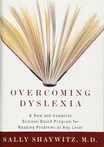
Overcoming Dyslexia: A New and Complete Science-Based Program for Reading Problems at Any Level
Sally E. Shaywitz · 2003
Based on longitudinal brain imaging research at Yale, Shaywitz explains what dyslexia is neurologically, how it manifests differently across ages and abilities, and which interventions actually work. She dismantles myths that dyslexia reflects low intelligence or poor motivation, replacing them with clear neurobiological explanations.
Reading difficulties are among the most common referrals school psychologists receive. Understanding dyslexia at a neural level helps psychologists advocate for evidence-based reading instruction, identify children who need intervention, and explain results to families in ways that reduce shame and misconception.
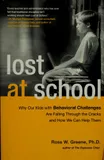
Lost at School: Why Our Kids with Behavioral Challenges are Falling Through the Cracks and How We Can Help Them
Ross W. Greene · 2008
Greene reframes challenging student behavior not as willful misbehavior but as a sign of lagging skills, usually in flexibility, frustration tolerance, or problem-solving. He introduces Collaborative and Proactive Solutions (CPS), a structured approach where adults work with students to identify the root of the problem and build solutions together rather than imposing consequences.
This book shifts how school psychologists think about discipline and behavior management. It gives practitioners a concrete alternative to punishment-based approaches and shows how to consult with teachers in ways that reduce referrals and suspensions while improving the student-teacher relationship.
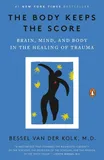
The Body Keeps the Score: Brain, Mind, and Body in the Healing of Trauma
Bessel van der Kolk · 2014
Van der Kolk synthesizes decades of neuroscience research on how trauma changes the brain's stress response systems, affecting attention, emotion regulation, and threat detection. He explains why talk therapy alone often fails for traumatized people and describes somatic approaches like yoga, movement, and drama that reconnect people to their bodies and regulate their nervous systems.
This book deepens understanding of why traumatized students seem unable to follow instructions or sit still, and why they sometimes seem aggressive or withdrawn. School psychologists draw on this knowledge to explain behavior to skeptical staff, advocate for appropriate supports, and recommend interventions that address the nervous system alongside skill-building.
From the shelf to the field
From the reading to the caseload
The assessment and trauma books on this list are the intellectual core of school psychology, but the profession itself runs on a specific credential: the specialist-level degree, the 1,200-hour internship, the state license. It is one of the few psychology careers with strong demand and a defined route in.
Here is how to become a school psychologist, from degree options through internship, with the salary data alongside.
Where to go next
- psychology salary data by role · school psychology in context of the field
- school social work careers · the adjacent role in the same building