
Reading list · 8 books, ranked
The Best Cookbooks of All Time
Building a real cookbook shelf means collecting books you actually cook from, not just admire. These eight titles teach technique through recipes. They show you not just what to make, but how cooking actually works. Whether you're learning to roast a chicken or master a sauce, these books stay close at hand and improve with use.
Updated 2026-07-13
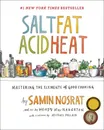
Salt, Fat, Acid, Heat
Samin Nosrat · 2017
This book strips cooking down to four elements that matter: salt brings out flavor and seasons from within, fat carries taste and creates mouthfeel, acid brightens and balances richness, and heat transforms everything. Nosrat uses drawings, color-coded diagrams, and accessible recipes to show how these elements work together. Once you understand these four pillars, you can adapt, improvise, and rescue dishes without following a recipe.
It's the most important cookbook for modern home cooks because it teaches the fundamental logic of cooking. You learn to think like a cook instead of just following instructions.
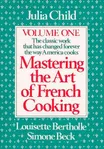
Mastering the Art of French Cooking, Volume 1
Julia Child, Louisette Bertholle, Simone Beck · 1961
Child and her French collaborators wrote this book for American home cooks who wanted to master French technique without fear. The recipes are detailed and exacting, with every step explained and every technique shown. You learn how to make stock, execute a proper braise, construct a sauce, and understand why each step matters. The food is elegant but never pretentious.
This is the benchmark for teaching technique through recipes. Every serious cook should own this because it fundamentally changed how Americans think about cooking with intention.
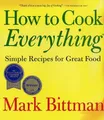
How to Cook Everything
Mark Bittman · 1998
Bittman's massive compendium contains 2,000 recipes organized by ingredient and technique, not by course or cuisine. Each chapter opens with essential foundations (how to roast, how to braise, how to make pasta), then expands into dozens of variations. The writing is practical and clear. There are no photographs, just straightforward instructions and occasional sketches of technique.
This is the reference book you reach for when you need to cook something and don't know where to start. It teaches that cooking is fundamentally a set of skills that transfer across ingredients and cuisines.
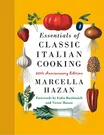
The Essentials of Classic Italian Cooking
Marcella Hazan · 1992
Hazan was a teacher first and a cookbook author second. She assumes you might be new to cooking and explains each step with patience and clarity. This book covers the foundation of Italian cooking: fresh pasta, risotto, the building blocks of sauces, how to roast vegetables and meat. Her voice is instructive but never condescending. You feel you're learning from someone who genuinely wants you to succeed.
Italian cooking depends on mastering a few core techniques and respecting ingredient quality. Hazan's book is the definitive guide, written by someone who understood that technique liberates rather than constrains cooking.
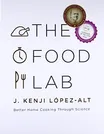
The Food Lab
J. Kenji López-Alt · 2015
López-Alt uses food science to explain why cooking techniques work. He tests methods in his kitchen lab, documents the results, and shows you what changed and why. You learn what happens when you sear meat at different temperatures, how salt works on chicken skin, why resting meat matters, or what makes a crust brown. The recipes are practical, and the science demystifies the craft.
Understanding the science behind technique makes you a better problem-solver in the kitchen. This book teaches you not just to follow recipes but to understand and adapt them.
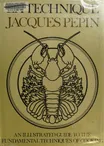
La Technique
Jacques Pépin · 1976
Pépin is a master chef who documented French technique in hundreds of photographs, most in black and white. The book shows how to butcher, bone, skin, cut, and shape food. You see a knife cut the skin away from a duck breast, how to roll a sole fillet, how to tie a roast, how to tourner (carve) vegetables into precise shapes. Every step is visual, not wordy. The recipes anchor the techniques in actual dishes.
Many cooking problems vanish once you see the right knife technique. This book teaches knife skills and foundational technique through images, making it invaluable when words alone don't work.
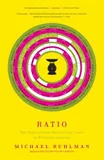
Ratio
Michael Ruhlman · 2009
Ruhlman discovered that cooking is built on simple proportions. Bread is 5:3 (five parts flour to three parts water). Biscuits are 3:1:2 (flour, fat, liquid). Once you know the ratio, you understand not just one recipe but a thousand variations. Ruhlman walks through ratios for batters, doughs, custards, stocks, and sauces, then shows how to improvise from the foundation.
This book frees you from recipes. Once you understand that pasta dough is a ratio (flour to eggs), you can adjust for humidity and make it work every time, rather than blindly trusting a single recipe.
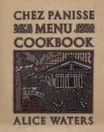
The Chez Panisse Menu Cookbook
Alice Waters · 1982
Waters' restaurant in Berkeley built its reputation on using the best seasonal and local ingredients available each day. This cookbook collects actual menus from Chez Panisse, each showing how a day's ingredients shaped a complete five-course meal. You see how ingredients dictate creativity. The recipes are not difficult, but they assume you're starting with outstanding ingredients and treating them with respect.
This book teaches you that great cooking begins with ingredient quality and seasonal attention, not technique mastery. It shows how constraints (what's available today) drive better decisions than an open pantry ever could.