
Author guide
C. S. Forester
Cecil Louis Troughton Smith, writing as C. S. Forester, spent his literary career crafting tales of the sea with an engineer's precision and a historian's eye for detail. Born in Cairo in 1899, he became one of the 20th century's most prolific and skilled adventure writers, bringing naval warfare to life through carefully researched narratives and deeply human protagonists.
Forester wrote over 40 books across multiple series and standalone works, but his reputation rests primarily on the Horatio Hornblower sequence, a 12-novel chronicle of a British naval captain's career during the Napoleonic Wars. The Hornblower books were published out of chronological order, a strategy that allowed Forester to deepen the character retrospectively while maintaining narrative tension and discovery for readers.
Beyond Hornblower, Forester demonstrated remarkable range, from the intimate survival story of The African Queen to the claustrophobic intensity of The Good Shepherd. He worked as a propagandist for the British Ministry during World War II and continued writing until a stroke in 1964 left him unable to work, two years before his death in California.
Where to start, in order
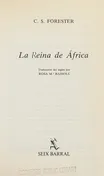
The African Queen
C. S. Forester · 1935
An English engineer and a Methodist missionary flee German forces through the African wilderness during World War I, traveling down a dangerous river in a ramshackle old steamboat. Their journey becomes a test of will, endurance, and an unlikely partnership as they move from bickering strangers to something more formidable. The novel balances intimate character work with the raw brutality of nature and war.
Start here if you want Forester without the naval warfare element. It's his most accessible book and shows he was far more than a one-note writer. The survival dynamics and the charged relationship between the two leads have aged beautifully.
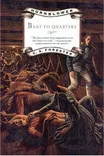
Beat to Quarters
C. S. Forester · 1937
Captain Hornblower commands a British frigate along the coast of Central America during the Napoleonic Wars, tasked with supporting a local rebellion and navigating treacherous politics, disease, and enemy ships. The novel opens with Hornblower already a captain, showing his genius at sea tactics and the moral weight of command decisions made with incomplete information. This is his first published appearance, though Forester later wrote earlier chapters of Hornblower's career.
Jump into Hornblower here. Forester believed readers would prefer to meet the character at full complexity rather than in green youth, and he was right. The book moves between psychological depth and excellent naval sequences that feel genuinely earned.
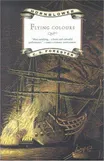
Flying Colours
C. S. Forester · 1938
Hornblower has been court-martialed and sentenced to death, but escapes from a French prisoner-of-war camp and must traverse war-torn Europe to reach England and clear his name. The novel strips away the ship and crew, forcing Hornblower to rely on wits, nerve, and the kindness of strangers as he moves through hostile territory. It explores what happens when the disciplined structure of command vanishes.
This reveals a different side of Hornblower's character, testing his resourcefulness and loneliness. It's shorter and faster-paced than most of the series, and shows Forester could write excellent land-based adventure without losing momentum.
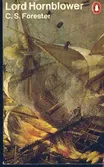
Lord Hornblower
C. S. Forester · 1946
Admiral Hornblower commands a squadron during the final years of the Napoleonic Wars, dealing with both tactical challenges and the personal toll of high command. The novel jumps Hornblower to flag rank and explores how a man accustomed to individual excellence adapts to managing other officers and navigating the politics of the Admiralty. His marriage strains under the demands of service, adding emotional weight to the historical narrative.
This is Forester's deepest exploration of Hornblower as a complete person, not just a tactician. The political maneuvering and personal sacrifice feel as important as the naval battles, and the prose reaches its peak here.
The Good Shepherd
C. S. Forester · 1955
The captain of a naval destroyer spends three days shepherding a massive but slow-moving American convoy across the Atlantic while German U-boats hunt in the waters around them. The novel is almost entirely at sea, contained to a few square miles of ocean and the bridge of one ship, creating a tense pressure cooker of strategy, coordination, and minute-by-minute decisions. Nothing major happens in traditional narrative terms, yet the stakes feel enormous.
Forester's late masterpiece and possibly his finest single work. The level of technical detail, the psychological study of command under prolonged stress, and the atmosphere of threat make this a modern classic of war fiction that has influenced everything written since.
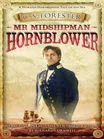
Mr. Midshipman Hornblower
C. S. Forester · 1950
These interconnected stories follow young Hornblower as a midshipman during the American War of Independence and the opening of the Napoleonic Wars, showing his early adventures on various ships and the experiences that forged his character. Forester uses short episodes to build a portrait of a boy becoming a professional naval officer through small trials and hard lessons. Each story is self-contained but builds toward a coherent whole.
If you've read the main Hornblower novels and want to understand his origins, this collection is essential. It explains why he is the way he is, and Forester writes these early years with warmth and humor absent from the later, more austere accounts.