
Author guide
George Pelecanos
George Pelecanos was born in Washington, DC in 1957 to a Greek American family, and his hometown became the beating heart of his fiction. He emerged as a crime writer in the 1990s, building a body of work that treats DC's neighborhoods, streets, and working-class communities with unflinching specificity. His novels treat the city not as backdrop but as a character, filled with precise street names, neighborhoods, and the actual texture of life there.
What sets Pelecanos apart from other crime writers is his weaving of popular culture into the fabric of his stories: soul records, basketball, comic books, and films become part of how his characters understand themselves and the world. His work centers on ordinary people caught between opportunity and circumstance, often showing how luck and timing matter as much as choice. Pelecanos has been compared to James Ellroy for the ambition of his narrative structure and his command of a city's geography and soul.
Alongside his novels, Pelecanos became a television writer for HBO, working on The Wire, Treme, The Deuce, and We Own This City alongside David Simon. His time as a screenwriter shaped his later novels, tightening his prose and deepening his understanding of how to layer story across multiple characters and time periods.
Where to start, in order
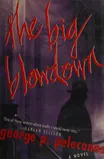
The Big Blowdown
George Pelecanos · 1996
Set in post-World War II Washington, this novel tracks a young man named Nick Stefanos who returns from the war and drifts into a life of petty crime, violence, and searching for connection in a city full of compromises. The book moves through the 1940s and 1950s, showing how a single choice can set the course of a lifetime. It's a noir story about DC, but told through the eyes of someone trying to outrun his own nature.
This novel launches Pelecanos' most acclaimed cycle of work and establishes his method: taking a modest protagonist seriously, detailing his moral deterioration, and showing what the city does to people trying to survive in it. It remains his most essential book because it contains all the seeds of what would follow.
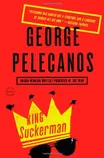
King Suckerman
George Pelecanos · 1997
This novel moves forward to the 1970s in DC, where two African American men work as con artists and small-time hustlers in a city transformed by the Civil Rights era. The story braids together their schemes, their friendships, their relationships with women, and the wider social and cultural forces around them, from soul music to Black Power. It's a book about partnership, loyalty, and what survival looks like when the system is rigged.
King Suckerman deepens Pelecanos' exploration of race, class, and friendship in DC. It shows him capable of writing from the inside of African American life with specificity and respect, not as an outsider reporting. The novel's structure, plot, and emotional depth mark a significant step forward in his craft.
The Sweet Forever
George Pelecanos · 1998
Set in the 1980s, this novel follows a crew of robbers, dealers, and hustlers across DC as they move through a city of cocaine corners, abandoned blocks, and shrinking options. The book tracks several characters through parallel lives, showing how their decisions and their luck intersect and diverge. It's rooted in the actual experience of a city in crisis, without sentimentality or despair.
By this point in the quartet, Pelecanos has mastered the ensemble structure, moving fluidly between characters while maintaining narrative momentum. The Sweet Forever shows his ability to handle violence, commerce, and intimacy all at once, making it a turning point in his development as a writer.
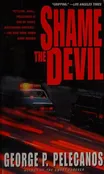
Shame the Devil
George Pelecanos · 2000
The final volume of the D.C. Quartet moves into the 1990s, following both new characters and echoes of the previous novels. The story centers on a young man trying to escape his circumstances and the cycle of violence around him, even as a cold, brutal killer closes in. It's Pelecanos' fullest expression of how the choices of earlier decades reverberate forward, and how survival sometimes means sacrifice.
Shame the Devil completes the quartet's arc across five decades of DC history. This novel shows a writer at full command of his material, capable of weaving complex moral questions into a propulsive crime story. It cements the D.C. Quartet as one of the significant achievements in American crime fiction.
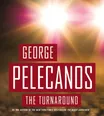
The Turnaround
George Pelecanos · 2008
This standalone novel follows three men across a single day in contemporary DC, as their lives collide in ways that challenge everything they thought about themselves and each other. The narrative weaves together a brutal crime, the aftermath of a previous violence, and the search for redemption or at least explanation. It's a lean, tight story about what happens when people run out of chances.
The Turnaround won the Hammett Prize and stands as Pelecanos' most purely accomplished work. Without the sprawl of the quartet, the novel achieves an almost sculptural elegance, every scene and sentence justified. It shows his mature voice, having learned from television writing and twenty years of craft.
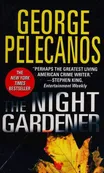
The Night Gardener
George Pelecanos · 2006
A DC detective investigates a series of crimes that pulls him into the lives of young offenders, parole officers, and men trying to move beyond their mistakes. The story shifts between different timeframes and perspectives, building a picture of how the criminal justice system actually works and fails. It's part crime procedural, part meditation on second chances and the limits of redemption.
The Night Gardener demonstrates Pelecanos' range as a writer willing to take on the machinery of law and punishment itself, not just the criminals. His police work is grounded in reality, and his sympathy extends to everyone in the system trying to do right work in a broken place.