
Author guide
Marc Brown
Marc Tolon Brown arrived at children's literature from an unconventional path. Before becoming the most prolific voice in elementary reading, he worked as a truck driver, short-order cook, television art director, and college professor, gathering the kind of real-world experience that would later ground his stories in genuine childhood problems. He studied graphic design at Cleveland Institute of Art and brought that visual sensibility to every book, creating a warm, accessible style that appealed to readers across skill levels.
In 1976, Brown introduced Arthur, an anthropomorphic aardvark, after his son asked for a bedtime story about a weird animal. The character stuck, launching a publishing empire that would eventually place 60 million books in young readers' hands and spawn a PBS animated series that ran for two decades. What set Arthur apart from competing picture-book characters was Brown's refusal to sugarcoat childhood. Arthur didn't just have adventures; he had real problems: needing glasses, losing his temper, hosting a birthday party that falls apart, making friends with someone new. Each story ended with a genuine resolution, not a lecture.
Beyond Arthur, Brown proved himself a serious writer tackling difficult family realities. Collaborating with his wife Laurie Krasny Brown, he created the Dinosaur Life Guides series, which addressed divorce, death, and everyday wellness with the same clarity and visual wit he brought to fantasy. These books won significant recognition, including a New York Times notable citation and multiple Emmy Awards. Brown's dual legacy rests on understanding that children's literature can be both commercially successful and emotionally honest.
Where to start, in order
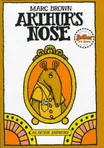
Arthur's Nose
Marc Brown · 1976
Arthur, an aardvark who discovers he looks different from other animals, worries about his distinctive nose until he learns that what makes you different can make you special. The first in the Arthur Adventure series, this book introduces the character and the gentle problem-solving approach that would define Brown's work. Arthur's concerns feel immediate to young readers facing their own insecurities.
This is where it all began, and it remains the perfect entry point to Marc Brown's world. The book's central message about accepting yourself resonated enough to launch a character that would appear in dozens of stories and become a cultural icon.
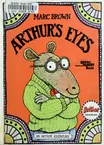
Arthur's Eyes
Marc Brown · 1979
Arthur resists getting glasses until he realizes he cannot see the blackboard at school, navigate the playground safely, or enjoy his favorite activities. The story follows his journey from denial through acceptance as he learns to live with his new glasses. Brown captures both the genuine frustration of childhood and the relief that comes with seeing clearly again.
This book became one of Brown's most beloved titles because it addresses a specific, common childhood challenge with humor and without condescension. Parents and teachers have long used it to help kids adjust to their own glasses.
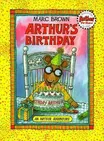
Arthur's Birthday
Marc Brown · 1989
Arthur's birthday party is in crisis when nearly no one shows up, leaving him devastated. The story follows how he works through disappointment and learns something about friendship and loyalty. Brown doesn't rush to fix things; he lets Arthur sit with his feelings before the situation improves in an unexpected way.
This title exemplifies Brown's gift for turning everyday setbacks into stories that validate real emotions while modeling healthy responses. The birthday party is a near-universal childhood experience, making this one of his most relatable chapter books.
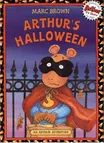
Arthur's Halloween
Marc Brown · 1983
Arthur faces his fear of the Buster Baxter and finds the courage to trick-or-treat despite his anxieties. The Halloween setting gives the story a unique flavor while the core issue, learning to be brave when you are afraid, applies year-round. Brown's illustrations bring the autumn evening to life with warmth and detail.
Halloween stories are a staple of children's reading, but Arthur's Halloween stands out because Brown grounds it in real emotional stakes rather than manufactured spooky fun. The book has become a seasonal favorite that children return to year after year.
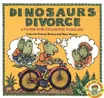
Dinosaurs Divorce
Marc Brown · 1986
This nonfiction guide uses dinosaur families to explain what divorce means, why it happens, and how children can cope when their parents separate. The book normalizes the experience, addresses common fears like self-blame, and offers practical advice delivered without panic or shame. Brown's illustrations make a serious topic accessible to younger children.
This book earned a New York Times notable citation because it broke important ground. Rather than waiting for older age-appropriate books, Brown acknowledged that young children experience divorce and deserve honest answers. The book transformed how publishers approached difficult family topics.
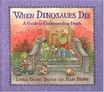
When Dinosaurs Die
Marc Brown · 1996
This guide addresses death and mourning with the same clear, compassionate voice as Dinosaurs Divorce. The book explains what death means, why people die, and how to process grief without minimizing the pain. Brown presents different cultural and religious perspectives on death, showing that there is no single right way to mourn.
When Dinosaurs Die deepens the work Brown started with divorce. By the time children encounter this book, they have learned that Brown treats difficult topics with respect. The book remains one of the most trusted resources for parents and teachers navigating grief conversations with children.