
Reading list · 8 books, ranked
The Best Crime Novels of the 2000s
The 2000s transformed crime fiction into a global force. Nordic noir emerged from the shadows, domestic dramas turned brutal, and character-driven police procedurals replaced formulaic plots. This list captures the decade's most important works, from Swedish sensation to Dublin detective to Los Angeles noir, each one expanding what the genre could do.
Updated 2026-07-13
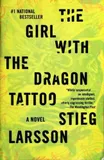
The Girl with the Dragon Tattoo
Stieg Larsson · 2005
A missing woman case from 1966 draws a disgraced journalist and a brilliant hacker into a decades-old mystery involving a wealthy family, a violent past, and secrets that someone will kill to protect. The investigation unfolds across Swedish landscapes and interweaves corporate crime with personal trauma.
Published posthumously, this novel became a worldwide phenomenon that redefined crime fiction for the 2000s. It proved the genre could anchor itself in complex women characters while delivering genuine suspense and social critique.

Mystic River
Dennis Lehane · 2001
Three childhood friends reunite when one's daughter is found murdered in Boston. A homicide detective, an ex-convict businessman, and a traumatized blue-collar worker collide as the investigation spirals through their connected lives, each harboring secrets that could shatter the truth.
This novel is the defining American crime book of the era. It proved Lehane deserved comparison to the greats, won every major award, and showed that crime fiction could do what literary fiction rarely achieved: genuine page-turning urgency matched with tragic resonance.
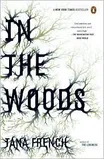
In the Woods
Tana French · 2007
A Dublin detective returns to the woods where his childhood friends disappeared twenty years earlier, when his own memory of the event was erased by trauma. Now another murder echoes the old case, forcing him to confront both the case and the gaps in his own mind.
French's debut announced a radical new voice in crime fiction, one that could blend the procedural with the psychological and make you question the narrator's reliability. It established her as perhaps the decade's most important new writer.
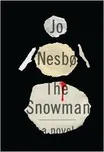
The Snowman
Jo Nesbo · 2007
Norwegian detective Harry Hole tracks a serial killer who builds snowmen at each crime scene, each one more elaborate and horrifying than the last. The investigation pulls him into a maze of old cases, dangerous obsessions, and the killer's impossible knowledge of his personal life.
This novel took Nordic noir from European literary success to international blockbuster. It proved Nesbo's series could deliver visceral horror while maintaining psychological depth, and introduced millions of readers to the detective who would dominate the next decade.
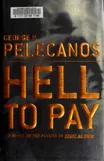
Hell to Pay
George Pelecanos · 2002
Private investigators Derek Strange and Terry Quinn navigate Washington D.C.'s criminal underworld when they become entangled with a powerful mobster, a murder charge, and the death penalty. The case pulls them through the city's overlooked neighborhoods and moral gray zones.
Pelecanos writes crime fiction that honors the streets he writes about. This novel, and its sequel Soul Circus, represent the best American urban crime writing of the decade, rooted in place and character rather than spectacle.
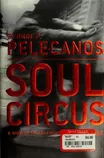
Soul Circus
George Pelecanos · 2003
Derek Strange and Terry Quinn continue their investigation into Washington D.C.'s underworld, this time centering on Granville Oliver, a manipulative mobster facing death. The case demands moral choices that test the detectives' loyalties and their understanding of justice.
This sequel deepens Pelecanos' portrait of contemporary Washington and confirms him as a writer who understands how crime shapes urban life. The novel won the Los Angeles Times Book Prize for its unflinching look at power and survival.
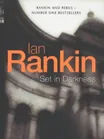
Set in Darkness
Ian Rankin · 2000
Inspector Rebus investigates three mysteries that might connect: a mummified corpse found during renovations to Scotland's new Parliament building, a suicide, and a murder of a politician. The cases blur past and present as Edinburgh itself becomes a character shadowing the investigation.
This Rebus installment demonstrates why Rankin's detective series became the most successful in modern crime fiction. The novel weaves history, politics, and personal corruption into a narrative that makes Scottish noir feel inevitable and urgent.
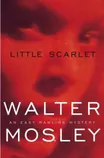
Little Scarlet
Walter Mosley · 2004
Easy Rawlins takes a case during the 1965 Watts riots in Los Angeles. Hired to find a missing woman, he navigates the chaos of the uprising and confronts the racial violence tearing his city apart, discovering that personal mysteries and historical catastrophe are inseparable.
Mosley's Easy Rawlins series anchors crime fiction in African American experience and history. Little Scarlet, set during the riots, proves the series can tackle America's racial reckoning while delivering a compelling noir investigation.